Common Reasons Residential Stamped Concrete Cracks and Fades Over Time
Residential stamped concrete repair professionals can help address common reasons residential stamped concrete cracks and fades over time, restoring durability and appearance effectively.
Homeowners with stamped concrete driveways, patios, or walkways often notice cracks or fading over time, raising questions about what causes these common issues. Understanding the practical reasons behind why residential stamped concrete may develop cracks or lose its vibrant appearance can help property owners make informed decisions about repairs and maintenance. Local contractors experienced in stamped concrete repair frequently see these concerns caused by factors such as ground shifting, improper installation, or exposure to the elements, all of which can impact the longevity and visual appeal of the surface.
Exploring these reasons further reveals why timely attention from qualified service providers is important to preserve the beauty and functionality of stamped concrete. Whether cracks are appearing or the color is fading, local service providers can assess the specific conditions affecting a property and recommend appropriate repair solutions. Recognizing the typical causes of stamped concrete deterioration encourages property owners to seek expert advice, ensuring their surfaces remain durable and attractive for years to come.
- Residential stamped concrete cracks may occur due to ground shifting or improper installation, and local contractors can assess and repair these issues to restore the surface. Fading of stamped concrete over time often results from prolonged exposure to sunlight and weather, with service providers offering resurfacing or sealing solutions. Cracks caused by freeze-thaw cycles can compromise the integrity of stamped concrete, and experienced local pros can perform crack repairs to prevent further damage. Surface deterioration from heavy loads may lead to cracking and fading, with local contractors providing reinforcement or resurfacing options to extend the lifespan. Color fading and surface wear are common over time, and local service providers can apply color rejuvenation or protective coatings to enhance appearance and durability.
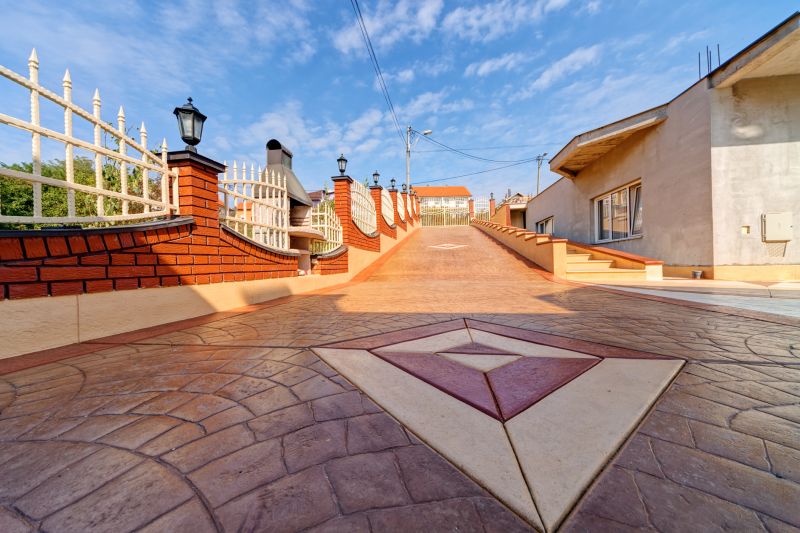
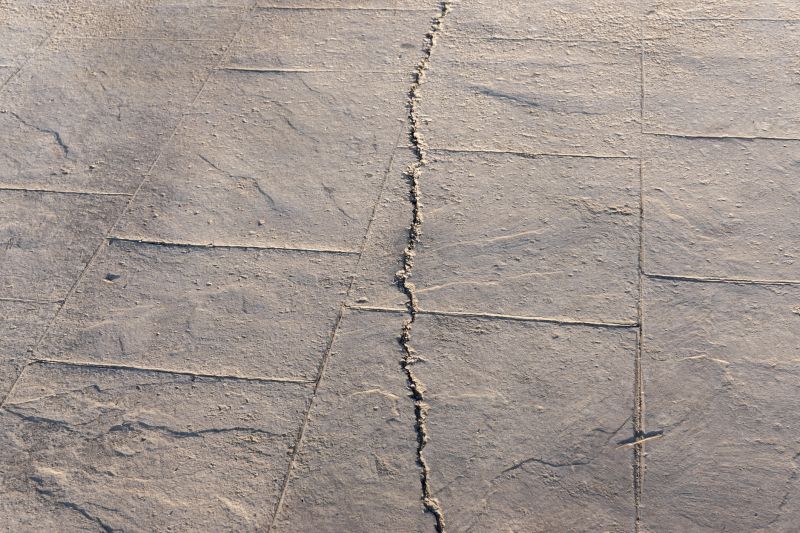
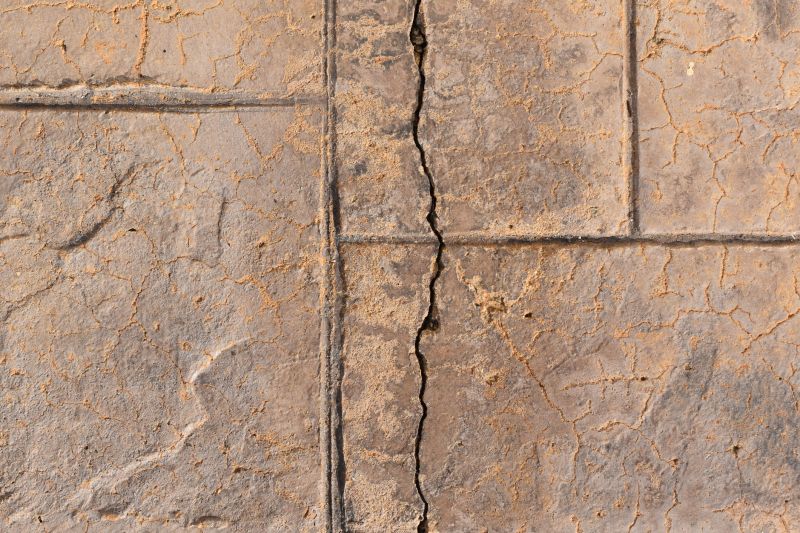
When homeowners search for information about common reasons residential stamped concrete cracks and fades over time, they are typically trying to understand why their decorative concrete surfaces are showing signs of damage or deterioration. This topic often comes up in the context of ongoing property maintenance or upcoming renovation plans. Many property owners want to know what causes these issues so they can determine whether repairs are necessary or if new installations might be a better option. Understanding the root causes helps homeowners make informed decisions about how to preserve their stamped concrete and maintain its visual appeal for years to come.
This subject relates closely to problems such as surface cracking, color fading, and surface wear that can compromise the aesthetic and functional qualities of stamped concrete. These issues may arise due to natural aging, improper installation, or environmental factors. Homeowners often explore this topic when planning repairs or seeking ways to extend the lifespan of their existing surfaces. It also connects to broader plans for property improvement, including replacing or resurfacing stamped concrete to restore its original look. Local contractors specializing in stamped concrete repair can assess these problems and recommend suitable solutions to address cracks, fading, or other forms of surface deterioration.
The types of properties that typically encounter these concerns include residential driveways, patios, walkways, and pool decks. These surfaces are frequently exposed to weather elements, foot traffic, and regular use, which can accelerate wear and tear. Homes with stamped concrete often feature decorative patterns and colorings designed to enhance curb appeal, making any signs of cracking or fading more noticeable. Property owners with these features may seek professional repair services to prevent further damage and preserve their investment. Local service providers experienced in stamped concrete repair are equipped to evaluate the specific conditions of each property and recommend appropriate restoration or sealing methods.
Understanding the common reasons residential stamped concrete cracks and fades over time helps homeowners recognize when repairs might be needed and how these issues relate to their property plans. Whether addressing surface cracks, color loss, or surface erosion, local contractors can provide solutions tailored to each situation. Properly managing these problems ensures that stamped concrete maintains its decorative appeal and structural integrity, supporting the overall beauty and functionality of residential outdoor spaces. Connecting with experienced service providers can help property owners navigate the repair process effectively and keep their surfaces looking their best for years to come.
Concrete driveway restoration involves similar skills in surface preparation, cracking repair, and sealing that are essential for addressing common reasons residential stamped concrete cracks and fades over time.
Patio resurfacing projects require planning and techniques comparable to stamped concrete work, making them relevant for homeowners facing issues with fading and cracking.
Garage floor coating services utilize surface prep and sealing methods that can help prevent or repair cracks caused by structural or environmental factors affecting stamped concrete.
Concrete patio installation involves planning and skill sets that align with repairing and maintaining stamped concrete surfaces prone to cracking and fading.
Stamped concrete sealing services focus on protecting decorative surfaces, addressing common causes of fading and cracking over time.
Walkway repair projects require similar crack repair techniques and surface assessments as those used in maintaining and restoring stamped concrete surfaces.
When comparing local contractors for residential stamped concrete repair, it is important to consider their experience with similar projects. Homeowners should inquire about how long a service provider has been working with stamped concrete and whether they have handled repairs for issues like cracking and fading over time. An experienced contractor will be familiar with the common reasons residential stamped concrete cracks and fades over time, such as improper installation, weather exposure, or material aging, and can offer insights into effective repair strategies based on past work. This familiarity can help ensure that the chosen professional understands the nuances of stamped concrete and is equipped to address the specific challenges associated with these common issues.
Clear written expectations are essential when evaluating local service providers for stamped concrete repair. Homeowners should seek detailed descriptions of the scope of work, including the methods used to repair cracks and restore faded areas, as well as the materials that will be applied. Having well-defined expectations helps prevent misunderstandings and ensures the contractor’s approach aligns with the homeowner’s goals. Reputable contractors are often transparent about their processes and can provide information about their experience handling similar repairs, which demonstrates their understanding of the factors that contribute to cracking and fading in stamped concrete over time.
Effective communication and reputable references play a crucial role in choosing a reliable contractor for residential stamped concrete repair. Homeowners should ask for references or examples of previous projects that involved addressing cracks and fading, which can offer insight into the quality of the contractor’s work and their ability to handle issues related to common reasons residential stamped concrete cracks and fades over time. Good communication ensures that homeowners can easily discuss concerns and receive updates throughout the repair process. Selecting a service provider known for clear, consistent communication and positive references can lead to a more confident and satisfactory repair experience, ultimately helping to restore the appearance and durability of stamped concrete affected by aging and environmental factors.
Property owners often search for common reasons residential stamped concrete cracks and fades over time when they are planning practical projects around their homes and businesses. Local pros provide Residential Stamped Concrete Repair services for everyday jobs and straightforward project options.
Understanding the common reasons residential stamped concrete cracks and fades over time can help property owners anticipate potential issues and seek timely repairs. Everyday project situations, such as improper installation techniques or inadequate surface preparation, often contribute to early cracking or uneven fading. Additionally, exposure to harsh weather conditions, frequent temperature fluctuations, and heavy foot or vehicle traffic can accelerate deterioration. When these problems arise, local contractors experienced in stamped concrete repair can assess the situation and recommend appropriate solutions to restore the appearance and integrity of the surface.
Other factors that lead to cracking and fading include the use of low-quality materials or improper sealing practices. Over time, UV exposure and moisture infiltration can cause stamped concrete to lose its color vibrancy and develop surface cracks. Property owners noticing these signs often look for local service providers who specialize in stamped concrete repair to address these issues effectively. Skilled local contractors can perform necessary repairs, including crack filling and resealing, helping to prolong the lifespan and maintain the aesthetic appeal of stamped concrete surfaces.
What causes cracks in residential stamped concrete over time? Cracks can develop due to soil movement, improper installation, or temperature fluctuations that cause expansion and contraction in the concrete.
Why does stamped concrete fade and lose its color? Fading often results from prolonged exposure to sunlight, weather elements, and the use of harsh cleaning products that break down the color sealant.
How can improper mixing or curing affect stamped concrete durability? Poor mixing or curing can lead to weak spots, increased susceptibility to cracking, and uneven fading of the stamped surface over time.
What role does soil instability play in cracking stamped concrete? Soil movement or instability beneath the slab can cause shifting and settling, which may lead to cracks and structural issues in the stamped surface.
How do environmental factors contribute to fading and cracking? Exposure to moisture, freeze-thaw cycles, and UV rays can accelerate deterioration, resulting in fading, surface wear, and cracking in residential stamped concrete.
Understanding soil movement - property owners can work with local contractors to assess soil stability and prevent cracking caused by shifting ground beneath stamped concrete surfaces.
Choosing durable finishes - selecting high-quality stains and sealers can help reduce fading and extend the lifespan of stamped concrete over time.
Proper installation techniques - ensuring correct pouring and curing methods with the help of local pros can minimize early cracks and surface deterioration.
Regular maintenance practices - scheduling routine sealing and cleaning with experienced service providers can slow down fading and preserve the appearance of stamped concrete.
If you are thinking about common reasons residential stamped concrete cracks and fades over time for a property, this guide is meant to help you understand this topic, the typical project types, and how different options might fit your plans.
When you are ready, you can use the quote form on this page to share a few details about your project. From there, local pros can review the basics and follow up with options that match what you have in mind.